The anti-aging skincare market is full of empty promises, but a few ingredients have decades of research backing their effectiveness. Here’s what dermatologists and scientists agree actually works.
The gold standard: Retinoids (Retinol)
Retinoids are vitamin A derivatives and remain the most proven anti-aging ingredient available.
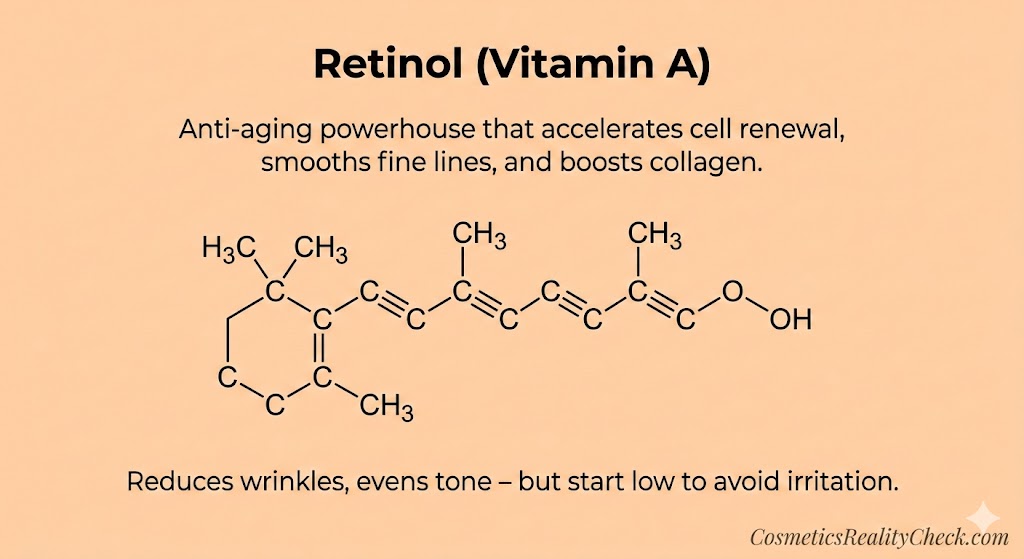
They work by speeding up cell turnover and stimulating collagen production deep in the skin, which reduces fine lines, improves texture, and fades pigmentation over time.
Prescription tretinoin (Retin-A) is the strongest form, while over-the-counter retinol is gentler but still effective when used consistently.
Start with low concentrations (0.25–0.5%) applied 2–3 nights per week, then gradually increase as your skin builds tolerance.
Peptides: The collagen messengers
Peptides are short chains of amino acids that signal skin cells to produce more collagen, elastin and other structural proteins.
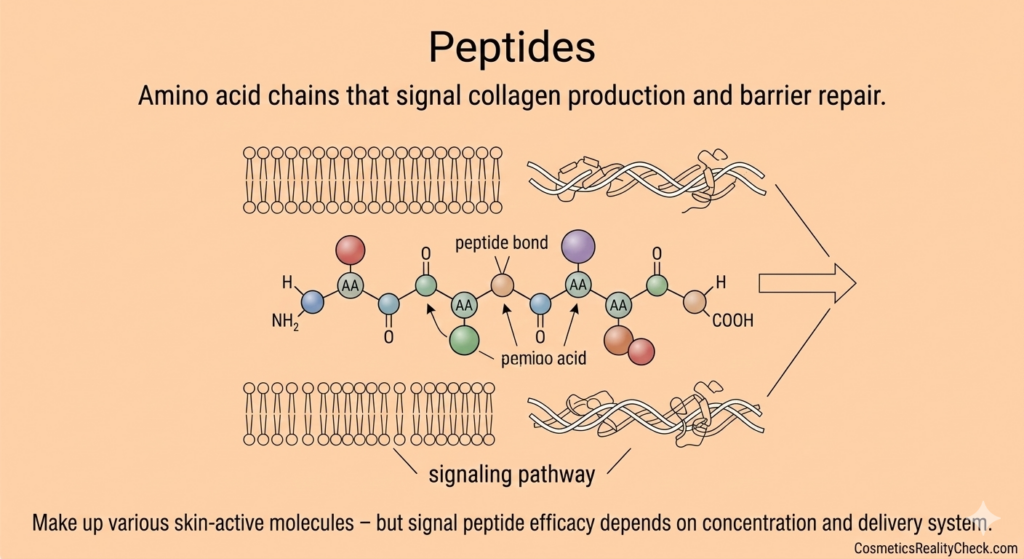
Unlike retinoids that work by accelerating turnover, peptides communicate directly with cells to rebuild and firm without exfoliation or irritation.
Popular types include copper peptides (GHK-Cu for repair), Matrixyl (for collagen stimulation) and Argireline (for expression line reduction).
Peptides are ideal for sensitive skin that can’t tolerate retinoids, and many dermatologists recommend combining both for synergistic anti-aging benefits.
Vitamin C: Antioxidant and brightener
Topical vitamin C (L-ascorbic acid) neutralizes free radicals from UV and pollution, supports collagen synthesis and inhibits melanin production to fade dark spots.
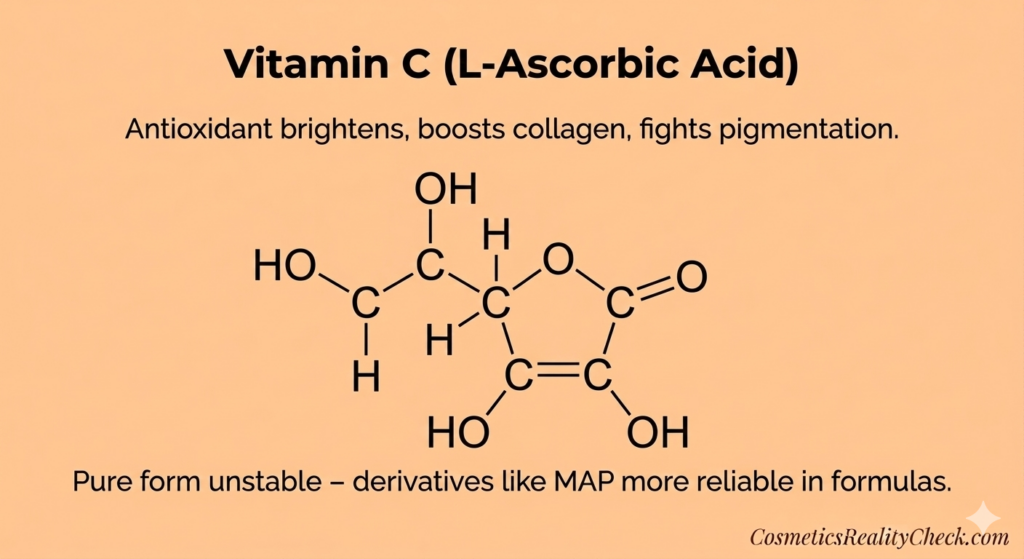
Clinical studies show 8–20% vitamin C applied for 12 weeks reduces fine wrinkles, improves skin tone and provides adjunctive photoprotection when used under sunscreen.
Look for stabilized formulas in opaque packaging, apply once daily in the morning and always follow with broad-spectrum SPF.
Niacinamide: The gentle multi-tasker
Niacinamide (vitamin B3) at 4–5% improves fine lines, wrinkles, hyperpigmentation, elasticity and barrier function without irritation.
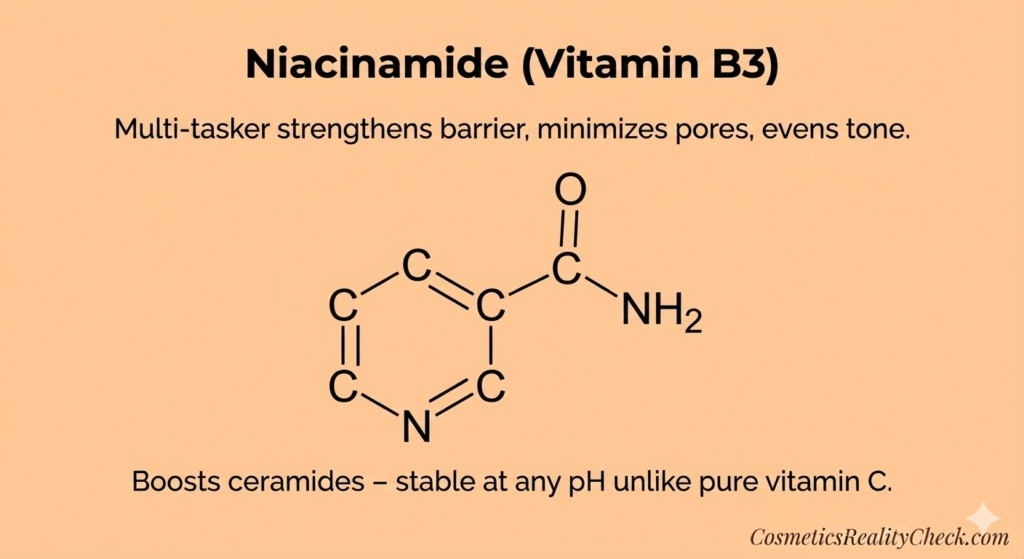
A 12-week trial found significant improvements in all these areas compared to placebo, making it an excellent choice for sensitive or combination skin.
Unlike retinoids, niacinamide doesn’t increase sun sensitivity and can be used morning and night, often paired with other actives to calm irritation.
Hyaluronic acid: Plumping hydrator
While hyaluronic acid won’t rebuild collagen, it holds up to 1,000 times its weight in water, instantly plumping skin and reducing the appearance of fine dehydration lines.
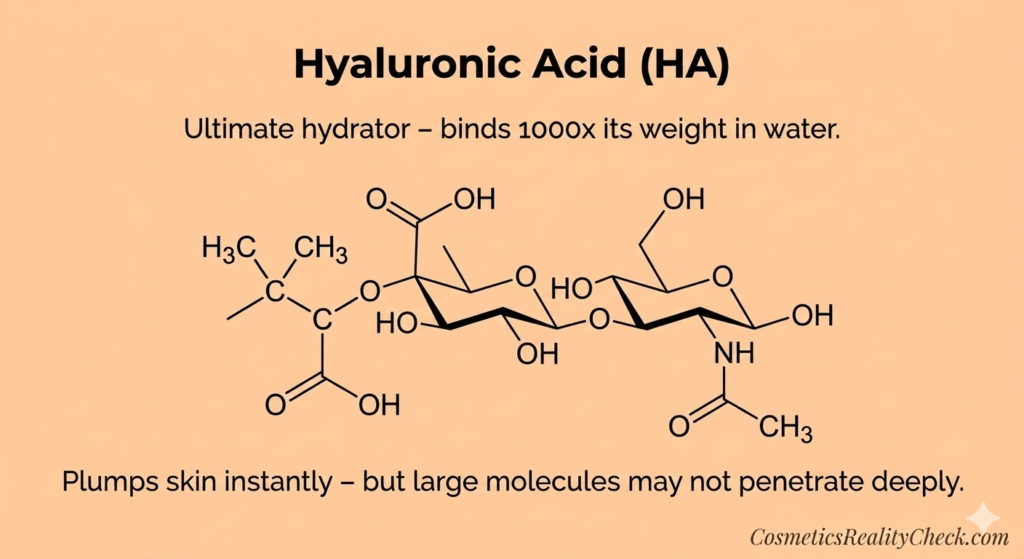
Studies show sustained hydration increases of 55% with twice-daily use over six weeks, plus improvements in smoothness and overall appearance.
Apply to damp skin and seal with moisturizer for best results.
The winning combination
Dermatologists often recommend layering these ingredients strategically:
Morning:
Vitamin C serum + hyaluronic acid + sunscreen SPF 30+
Evening:
Retinol or peptide serum + niacinamide + moisturizer
Start with one active at a time, introduce slowly, and always use sunscreen – UV damage undoes all anti-aging efforts.