Lips lack oil glands, making them especially vulnerable to dryness, chapping and environmental damage. The right ingredients provide immediate relief and long-term barrier protection.
Understanding chapped lips
Lips have no sebaceous (oil) glands and a very thin stratum corneum, which makes them prone to dehydration, cracking and irritation.
Common causes include cold weather, wind, sun exposure, dehydration, mouth breathing, licking lips and irritating ingredients in lip products.
Best healing ingredients for chapped lips
1. Petrolatum (petroleum jelly): The occlusive gold standard
Petrolatum is the most effective occlusive for sealing in moisture and protecting lips from further damage.
Dermatologists consistently recommend white petroleum jelly (like Aquaphor or Vaseline) as the best treatment for severely chapped, cracked lips.
Apply multiple times daily and before bed for maximum healing.
2. Dimethicone: Protective silicone seal
Dimethicone is a silicone that creates a breathable, protective barrier on lips, sealing in moisture while allowing skin to function normally.
It provides a smooth, non-greasy feel and is safe for sensitive lips.
3. Ceramides: Barrier repair
Ceramides help repair the thin lip barrier, reducing transepidermal water loss and preventing chronic dryness.
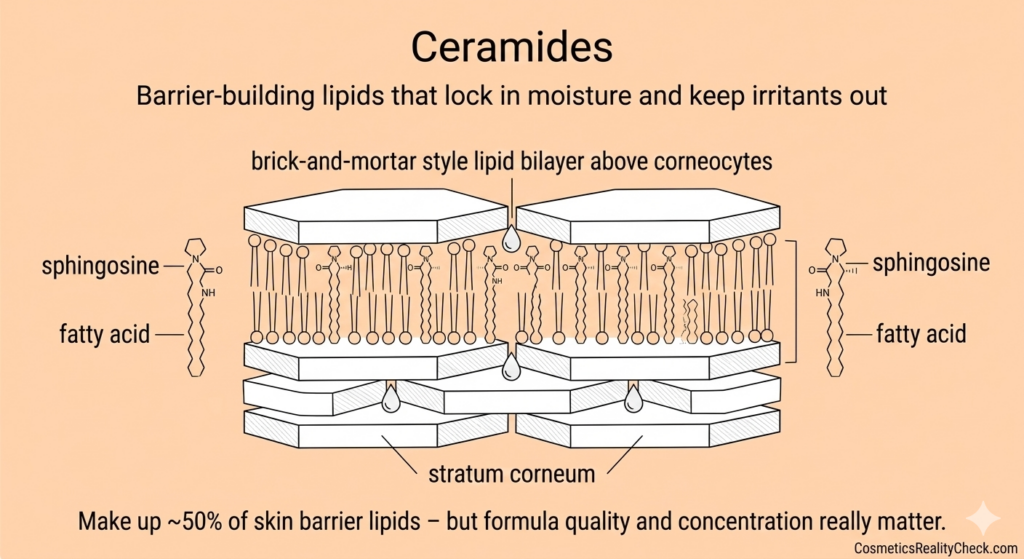
Look for lip balms with ceramide NP or AP for long-term conditioning.
4. Shea butter: Rich nourishment
Shea butter nourishes and softens lips while providing a protective, moisturizing layer that reduces inflammation.
It’s especially effective for very dry, cracked lips.
5. Castor seed oil: Deep hydration
Castor seed oil hydrates deeply and locks in moisture with its unique fatty acid profile.
It’s commonly found in long-lasting lip balms and treatments.
6. Hyaluronic acid: Plumping hydrator
Hyaluronic acid in lip products draws moisture to the lips, plumping and smoothing fine lines caused by dehydration.
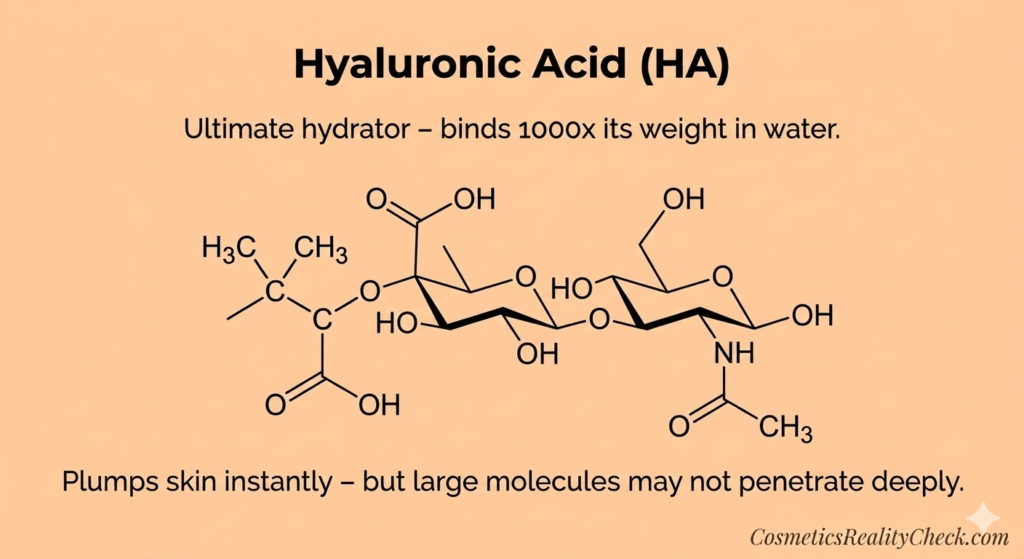
It works best when sealed with an occlusive like petrolatum or dimethicone.
7. Vitamin E: Antioxidant protector
Vitamin E shields lips from oxidative stress and environmental damage (UV, pollution), reduces inflammation, and supports natural healing.
It also strengthens the lipid barrier to reduce moisture loss.
8. Hemp seed oil: Soothing and nourishing
Hemp seed oil offers soothing, anti-inflammatory properties while providing lightweight hydration without greasiness.
It’s ideal for sensitive lips prone to irritation.
9. Mineral sunscreen (zinc oxide, titanium dioxide): UV protection
Lips are highly vulnerable to sun damage, sunburn, and skin cancer.
Mineral sunscreen (SPF 30+) with zinc oxide or titanium dioxide provides safe, non-irritating UV protection.
Apply every 2 hours when outdoors.
Ingredients to avoid with chapped lips
Stop using lip products containing:
- Camphor (irritating)
- Eucalyptus (irritating)
- Flavoring (especially cinnamon, citrus, mint, peppermint)
- Fragrance (allergen, irritant)
- Lanolin (common allergen for some people)
- Menthol (creates tingling = irritation)
- Phenol/phenyl (irritating)
- Salicylic acid (too harsh for lips when chapped)
- Burning, stinging, or tingling sensations are not signs that a lip balm is “working” – they indicate irritation. Stop using any product that causes discomfort.
How to heal chapped lips
Daily care:
- Apply non-irritating lip balm or ointment multiple times per day
- Reapply before bed
- Use thick ointment (white petroleum jelly) for severely cracked lips
- Slather on SPF 30+ lip balm before going outdoors
- Reapply lip balm with SPF every 2 hours when outside
Lifestyle adjustments:
- Drink plenty of water (chapped lips are dehydrated lips)
- Stop licking, biting and picking at lips (saliva evaporates, making lips drier)
- Use a humidifier indoors during dry winter months
- Breathe through your nose, not your mouth
Sample lip care routine
Morning:
- Apply hydrating lip balm with ceramides + shea butter + hyaluronic acid
- Layer SPF 30+ mineral lip balm (zinc oxide)
- Reapply every 2 hours if outdoors
Throughout the day:
Reapply non-irritating lip balm whenever lips feel dry
Evening:
- Gently exfoliate with lanolin-based scrub (optional, 1–2× per week)
- Apply thick layer of petroleum jelly or ceramide lip mask
For severe chapping:
- Use medicated lip balm with hydrocortisone (ask dermatologist)
- Apply thick ointment (Aquaphor, CeraVe Healing Ointment) constantly
Bottom line
The most effective lip care combines occlusive protection (petrolatum, dimethicone), barrier repair (ceramides, shea butter), hydration (hyaluronic acid, castor oil), antioxidant support (vitamin E) and daily SPF 30+ mineral sunscreen – while avoiding all irritating ingredients like fragrance, menthol and flavor.