Dark spots, melasma and post-acne marks can be stubborn, but the right ingredients fade pigmentation safely and effectively when used consistently. Here’s what actually works.
Understanding hyperpigmentation
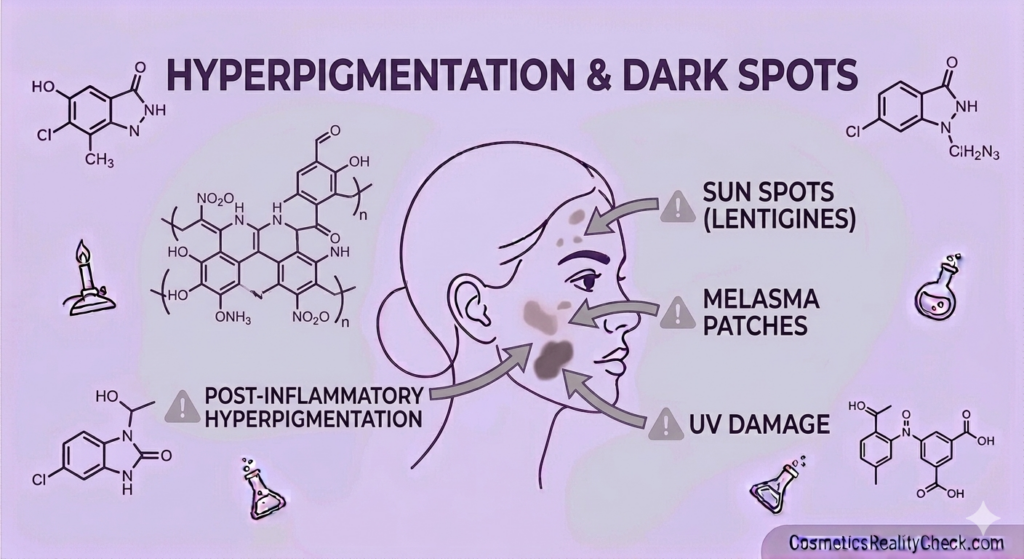
Hyperpigmentation occurs when melanocytes (pigment-producing cells) overproduce melanin in response to triggers like UV exposure, inflammation from acne, hormonal changes or skin injury.
The result: brown patches, age spots, post-inflammatory hyperpigmentation (PIH) or melasma.
Treatment works by inhibiting melanin production, speeding up cell turnover to shed pigmented cells faster or protecting skin from further damage.
1. Sunscreen: The non-negotiable first step
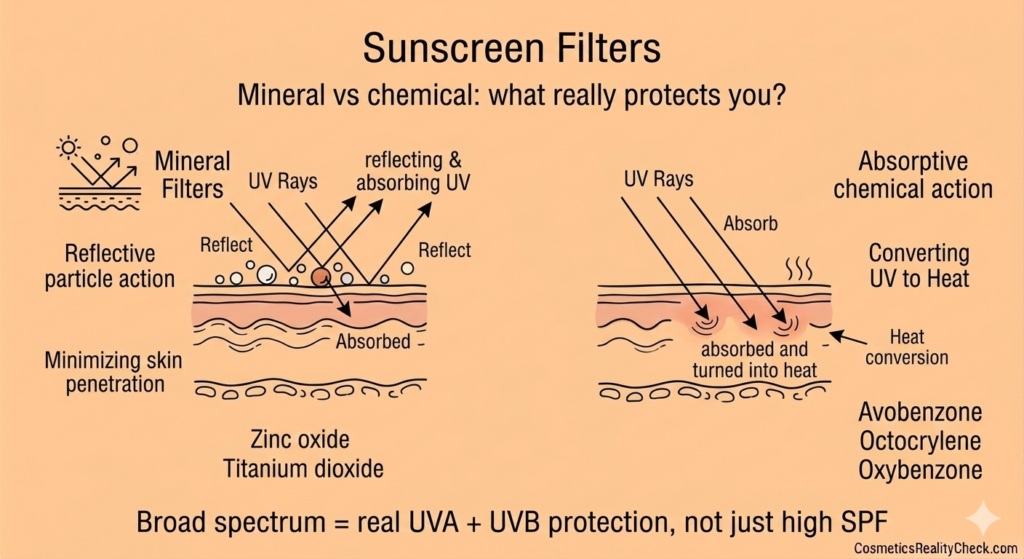
No brightening ingredient will work without daily broad-spectrum SPF 50+ sunscreen.
UV exposure triggers and worsens all forms of hyperpigmentation, especially melasma.
Sunscreen prevents new dark spots from forming and protects treated skin, which is more vulnerable to UV damage.
2. Hydroquinone: The gold standard (with caution)
Hydroquinone at 4% (prescription-strength) is the most effective skin-lightening ingredient available, reducing melanin production by inhibiting the enzyme tyrosinase.
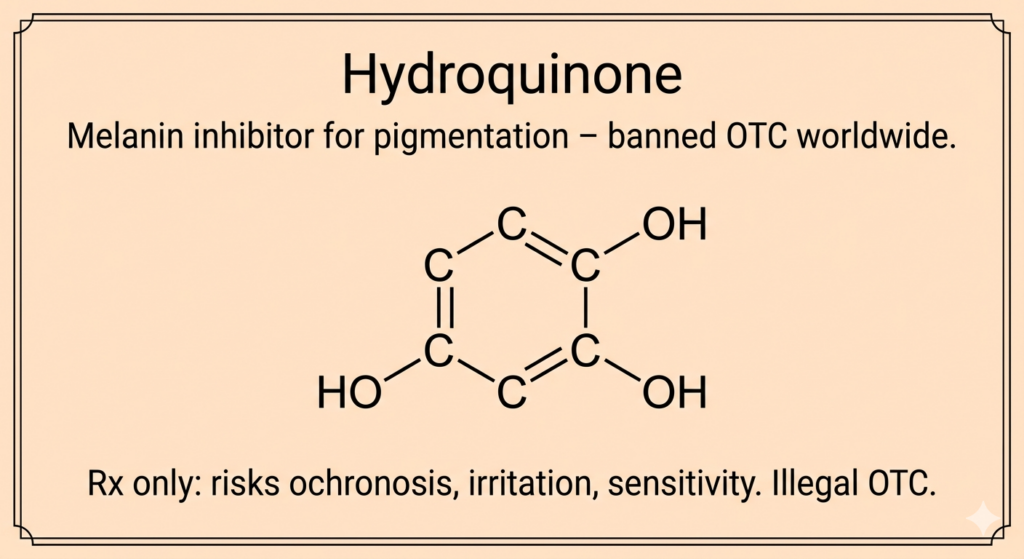
It’s especially powerful when combined with tretinoin and a mild corticosteroid in a single formula.
Important caution: Long-term or improper use (especially at high concentrations) can cause exogenous ochronosis, a darkening and thickening of the skin, particularly in darker skin tones.
Use only under dermatologist supervision, typically in cycles (3-6 months on, then off).
3. Tretinoin (Prescription retinoid)
Tretinoin speeds up cell turnover, helping pigmented cells shed faster while preventing new pigment from forming.
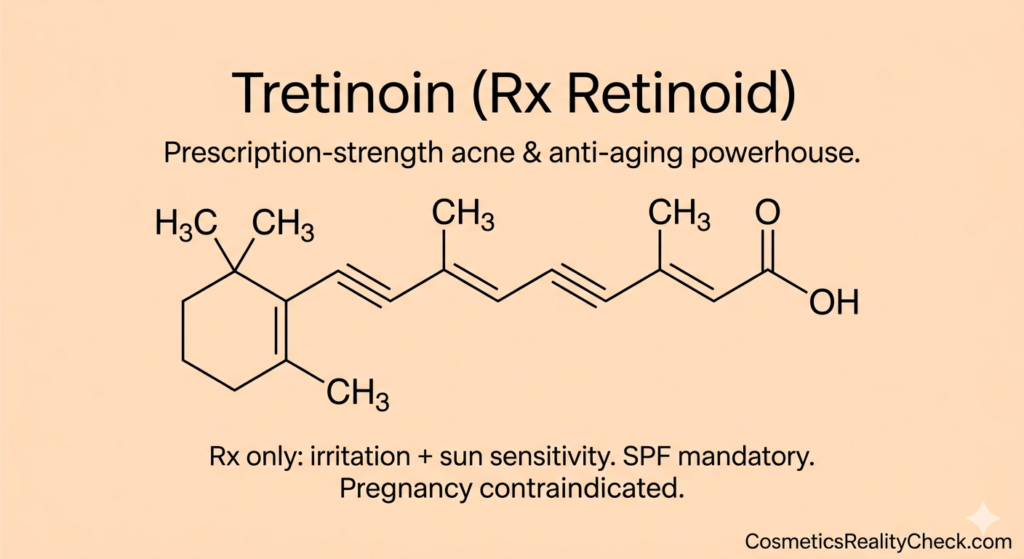
It’s highly effective for melasma, post-inflammatory hyperpigmentation and age spots and also improves texture and acne scars.
Start with low strength (0.025-0.05%) 2-3 nights per week, always use sunscreen and expect 8-12 weeks before visible improvement.
4. Tranexamic acid: The melasma specialist
Tranexamic acid (topical or oral) inhibits melanocyte activation and has anti-inflammatory properties, making it particularly effective for stubborn melasma.
Topical forms at 2-5% combined with vitamin C and niacinamide show significant pigmentation reduction over 8-12 weeks.
5. Azelaic acid: Gentle and effective
Azelaic acid at 10-20% inhibits tyrosinase, reduces melanin production and has anti-inflammatory and antimicrobial properties.
It’s especially valuable for darker skin tones prone to PIH because it’s gentler than hydroquinone and doesn’t cause ochronosis.
It works well for melasma, post-acne marks and rosacea-related redness.
6. Vitamin C: Brightening antioxidant
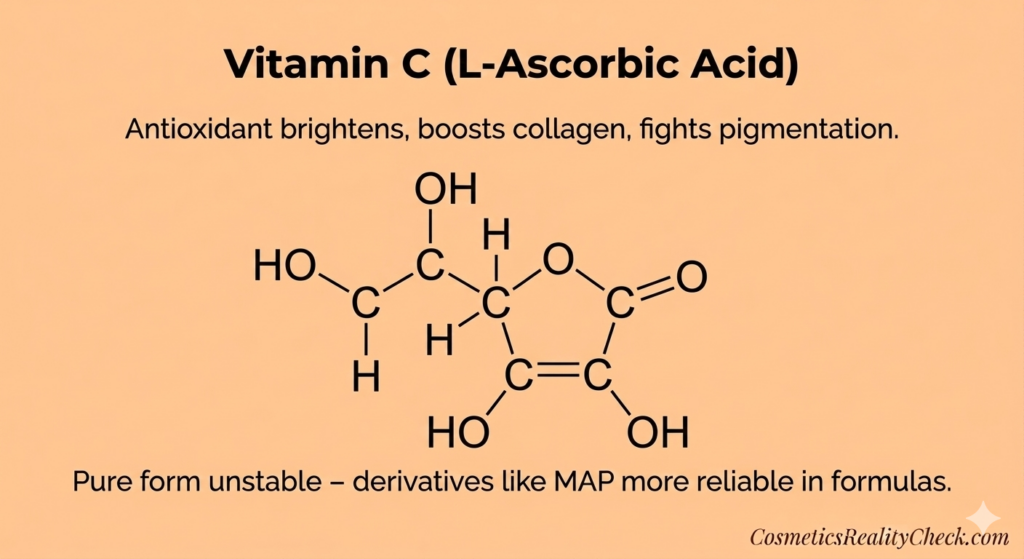
Vitamin C (L-ascorbic acid at 10-20%) blocks tyrosinase, inhibits melanin formation and provides antioxidant protection against UV and pollution-induced pigmentation.
It’s most effective when combined with other brighteners like niacinamide or tranexamic acid.
Apply in the morning under sunscreen for maximum photoprotection and brightening synergy.
7. Niacinamide: Barrier-friendly brightener
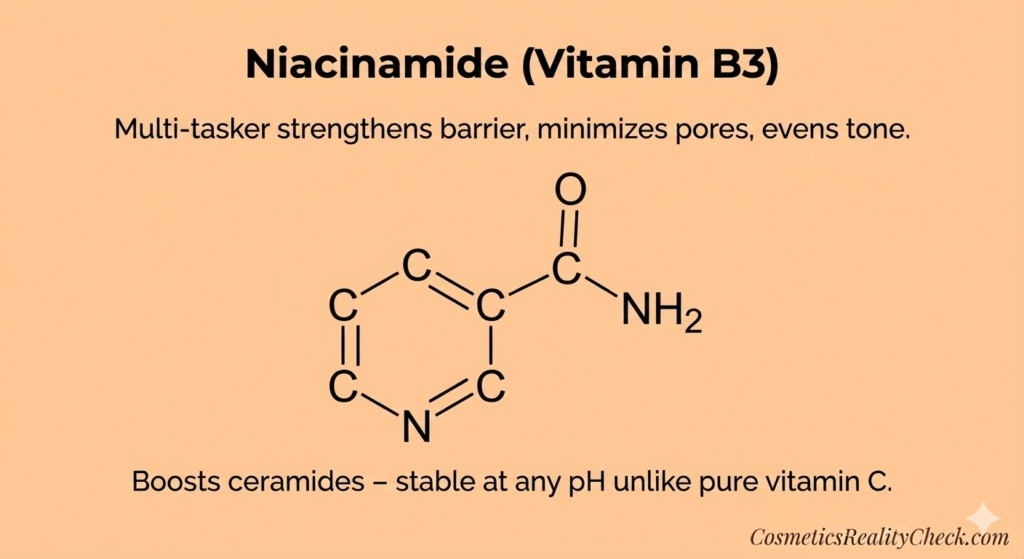
Niacinamide at 4-5% reduces melanin transfer from melanocytes to keratinocytes, fading dark spots while strengthening the skin barrier.
It’s gentle enough for sensitive skin and works well with acids, retinoids and vitamin C.
8. Kojic acid: Tyrosinase blocker
Kojic acid (1-4%) is a naturally derived ingredient that blocks tyrosinase to prevent melanin formation.
It’s most effective when combined with hydroquinone or glycolic acid rather than used alone.
9. Glycolic acid: Exfoliating AHA
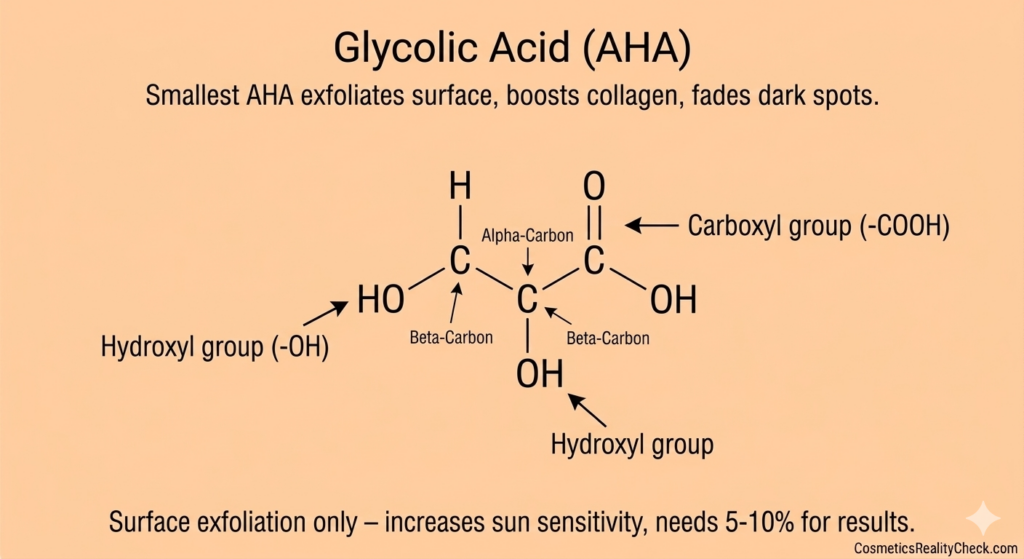
Glycolic acid at 5-10% exfoliates dead, pigmented skin cells and stimulates collagen, improving texture and gradually fading dark patches.
Use 2-3 times per week in the evening, always followed by sunscreen the next morning.
10. Licorice root extract: Gentle botanical
Licorice root extract (glabridin) inhibits tyrosinase and calms inflammation without irritation, making it ideal for sensitive skin with pigmentation concerns.
It’s commonly combined with other brighteners in gentle formulas.
Sample pigmentation routine
Morning:
- Gentle cleanser
- Vitamin C serum (10-20%)
- Niacinamide or tranexamic acid serum
- Moisturizer
- Broad-spectrum SPF 50+ (mandatory)
Evening:
- Cleanser
- Tretinoin or azelaic acid
- Hydroquinone (if prescribed, on treatment cycles)
- Moisturizer
Bottom line
The most effective hyperpigmentation treatment combines multiple mechanisms: tyrosinase inhibition (vitamin C, kojic acid, hydroquinone), cell turnover (tretinoin, glycolic acid), melanin transfer blocking (niacinamide, tranexamic acid) and rigorous sun protection.
Results take 8-12 weeks minimum with consistent use.