Sunscreen: The Non‑Negotiable Anti‑Aging and Cancer Prevention Step
UV radiation is the single largest preventable cause of skin cancer and premature aging (wrinkles, sagging, pigmentation).
What Cosmetic Companies Don't Tell You About Ingredients

UV radiation is the single largest preventable cause of skin cancer and premature aging (wrinkles, sagging, pigmentation).
Acne-prone skin needs ingredients that unclog pores, control oil, calm inflammation and prevent scarring without stripping the barrier. Here are the most effective, evidence-based actives.
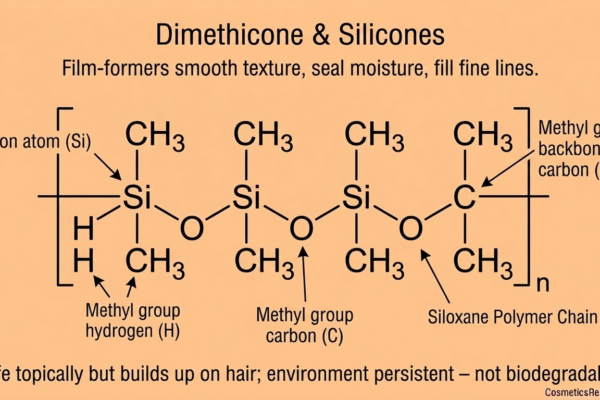
Dimethicone delivers instant smoothness and shine but builds up over time, dulling hair and blocking moisture. Silicone-free conditioning relies on humectants, oils, proteins and cationic polymers that penetrate rather than coat – restoring health without residue. Here’s what truly works and how to transition successfully.
Sodium lauryl sulfate (SLS) creates rich foam but strips skin barrier lipids, causing tightness, irritation and dryness for many. Gentler surfactants cleanse effectively while preserving natural oils – perfect for sensitive skin, eczema or daily use. Here’s how to decode labels and choose truly mild cleansers.
Retinol delivers powerful anti-aging results but irritates sensitive skin for many users. Gentler alternatives like bakuchiol, peptides and niacinamide offer similar benefits – collagen support, texture improvement, even tone – without the redness, peeling or sun sensitivity. Here’s how they stack up when retinol proves too harsh.
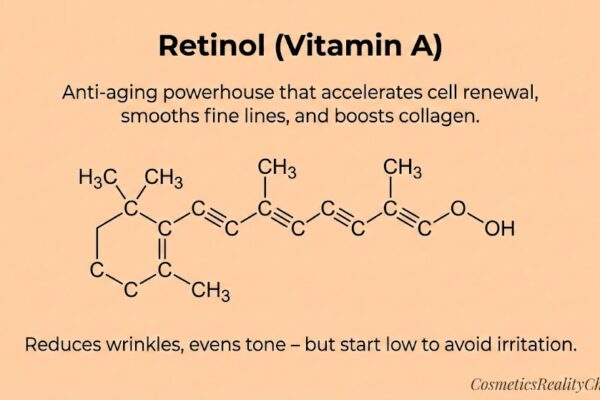
Parabens may be out for “clean beauty” fans, but effective alternatives exist that preserve cosmetics without compromising safety. Modern systems combine multiple antimicrobials for broad-spectrum protection, often mimicking parabens’ reliability while meeting consumer demand for gentler options. Here’s what brands actually use – and why they work.
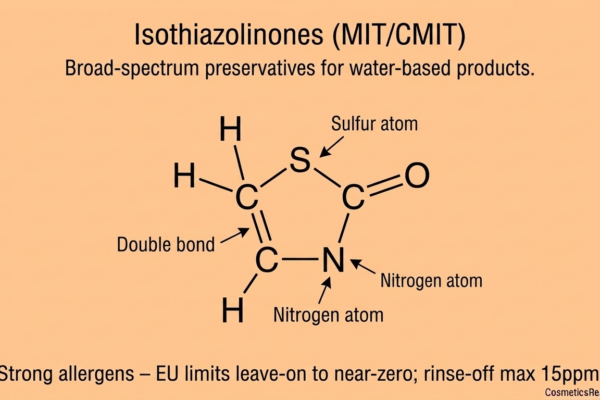
Isothiazolinones (like methylisothiazolinone/MI and methylchloroisothiazolinone/MCI) are potent broad-spectrum preservatives that replaced parabens in many cosmetics. While highly effective at preventing microbial growth, they’ve earned strict regulations due to widespread contact allergies and skin sensitization. Here’s why brands still use them – and the limits you need to know.
Dimethicone and other silicones are everywhere in beauty products – from silky serums to shine-boosting conditioners. These synthetic polymers create that luxurious “slip”, lock in moisture and improve product performance. But are they helping your skin and hair long-term, or just masking issues? Here’s the science behind why brands love them and what they actually…
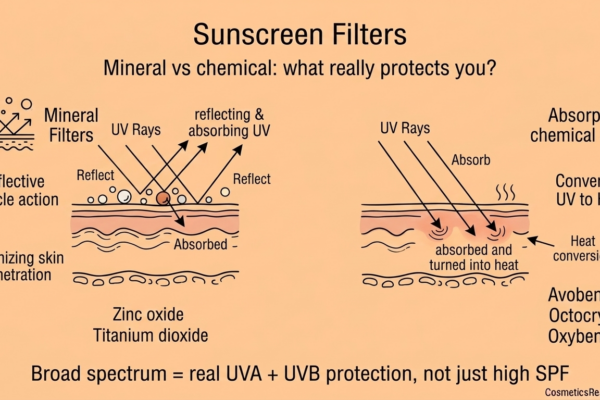
Sunscreen filters are your first line of defense against UV damage, but understanding how they actually protect your skin can help you choose the right one. Mineral filters like zinc oxide and titanium dioxide sit on the surface and block rays physically, while organic (chemical) filters absorb UV energy and convert it to heat. Here’s…
Sensitive skin reacts to everything – redness, stinging, tightness and irritation seem inevitable. But the right ingredients can calm inflammation, repair the barrier and build resilience without triggering flare-ups.