Keratosis pilaris (KP) – those rough, bumpy patches on arms, thighs and buttocks – requires exfoliation, hydration and barrier support to smooth texture over time.
Understanding keratosis pilaris
KP occurs when excess keratin (protein) builds up around hair follicles, creating small, rough bumps that look like goosebumps or “chicken skin.”
It’s genetic, worsens in dry climates and is harmless but cosmetically bothersome.
1. Lactic acid: Gentle chemical exfoliant
Lactic acid at 10–15% (or ammonium lactate at 12–15%) gently exfoliates dead skin cells and keratin plugs while hydrating and supporting the barrier.
It’s more sensitive skin-friendly than glycolic acid.
Apply daily after showering to damp skin for best results.
2. Glycolic acid: Deeper exfoliation
Glycolic acid at 5–12% penetrates more deeply than lactic acid to exfoliate keratin buildup and smooth texture.
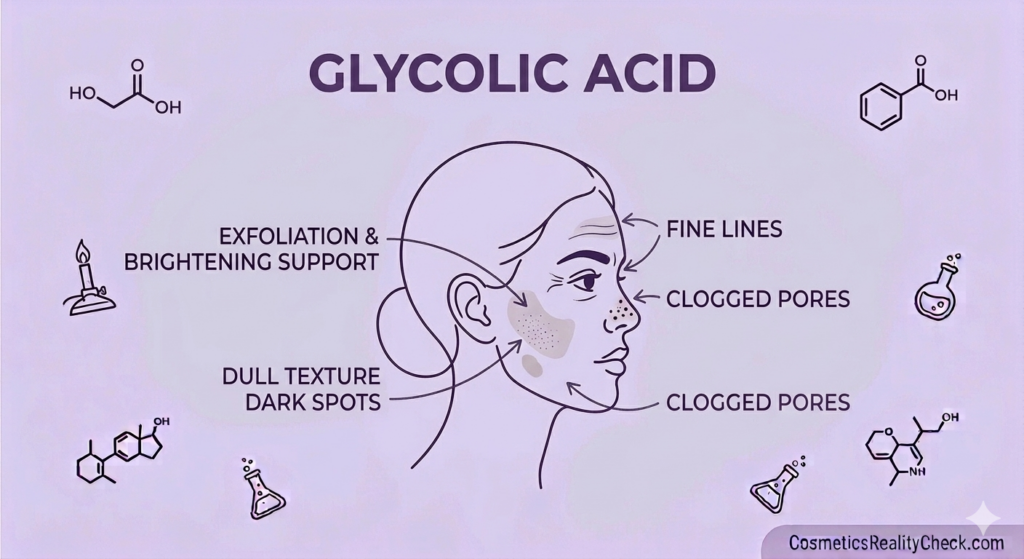
It’s more potent but can be more irritating, so start with lower percentages or alternate with lactic acid.
3. Salicylic acid (BHA): Pore unclogger
Salicylic acid at 0.5–2% is oil-soluble, meaning it penetrates into follicles to clear keratin plugs from the inside.
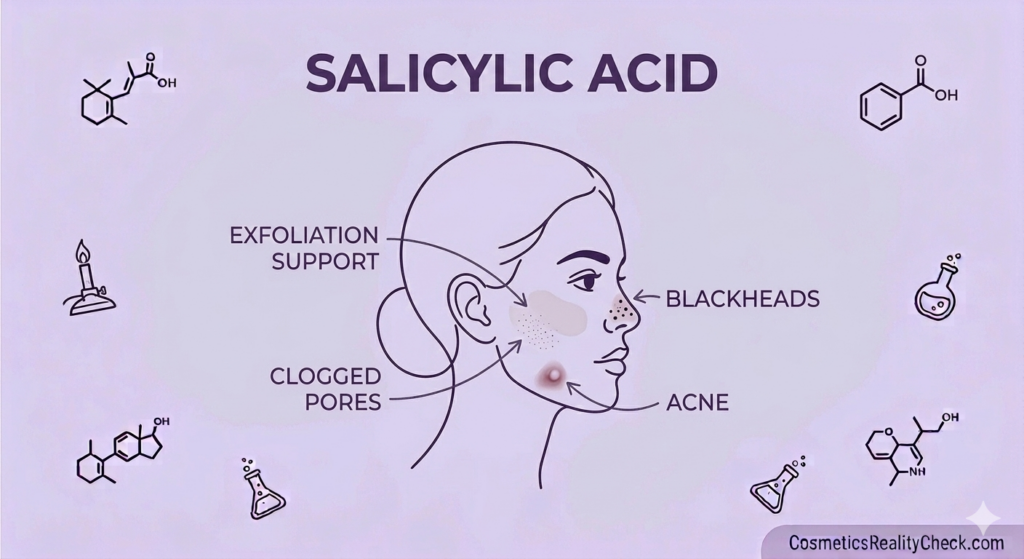
It’s especially effective for KP with accompanying body acne.
4. Urea: Exfoliating moisturizer
Urea at 10-20% is a unique ingredient that exfoliates keratin while simultaneously softening and hydrating skin.
It’s gentler than acids and ideal for very dry, sensitive KP-prone skin.
5. Niacinamide: Redness reducer
Niacinamide at 2-5% calms redness and inflammation associated with KP, strengthens the barrier and improves overall texture.
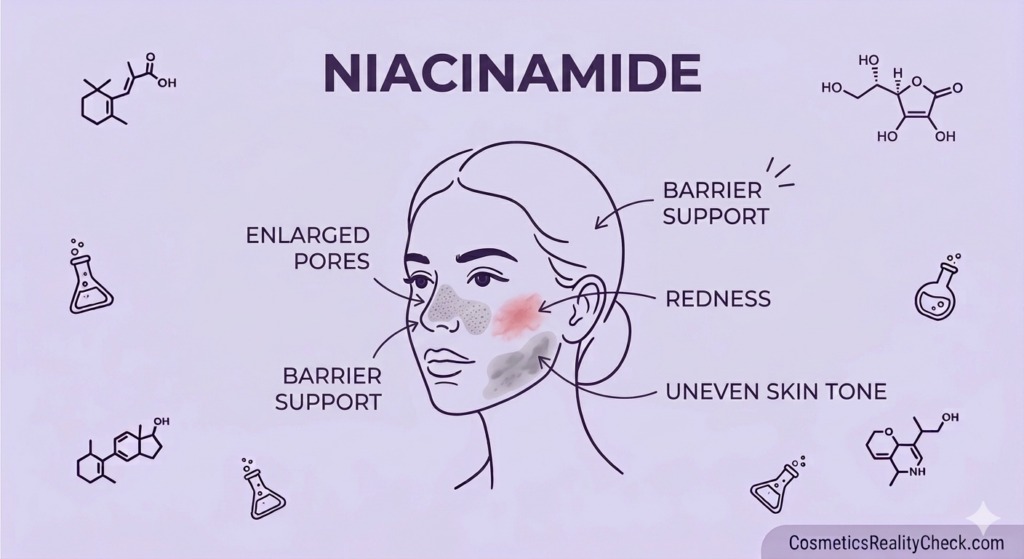
It pairs well with exfoliating acids.
6. Ceramides: Barrier support
Ceramides restore and strengthen the skin barrier, which is often compromised in KP-prone skin, leading to dryness and inflammation.
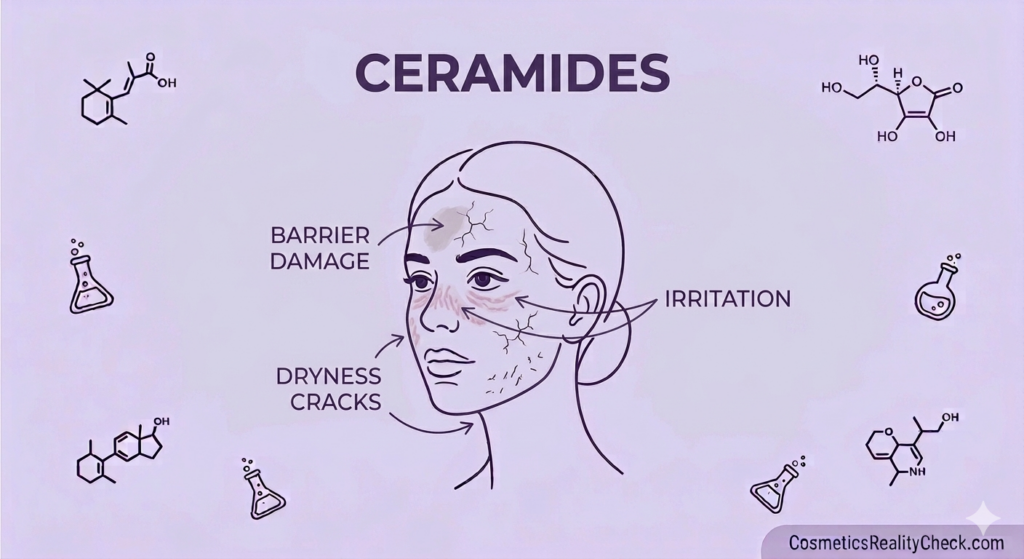
Look for body lotions with ceramide NP, AP or EOP.
7. Glycerin, hyaluronic acid and shea butter: Hydration
KP-prone skin is often very dry, which worsens bumps.
Humectants (glycerin, hyaluronic acid) and emollients (shea butter, petrolatum) provide essential moisture without clogging pores.
Sample KP routine
Daily:
- Shower (lukewarm water, not hot)
- Exfoliating body wash with glycolic or salicylic acid (optional)
- Pat dry (don’t rub)
Apply treatment lotion to damp skin:
- Lactic acid 12% OR glycolic acid 10% OR urea 10–20%
- Follow with ceramide-rich moisturizer if needed
Weekly:
Physical exfoliation with gentle scrub or dry brush (optional, don’t over-do)
Results timeline
- KP improvement is gradual: expect 4–8 weeks of consistent use before visible smoothing.
- KP is chronic and will return if you stop treatment, so maintenance is key.
Bottom line
The most effective KP treatment combines chemical exfoliation (lactic acid, glycolic acid, salicylic acid or urea) with barrier-supporting hydration (ceramides, glycerin, shea butter) applied daily to damp skin after showering.