Sensitive skin reacts to everything – redness, stinging, tightness and irritation seem inevitable. But the right ingredients can calm inflammation, repair the barrier and build resilience without triggering flare-ups.
1. Hyaluronic acid: Gentle hydration
Hyaluronic acid is a non-irritating humectant that draws moisture into the skin without heaviness, greasiness or risk of clogging pores.
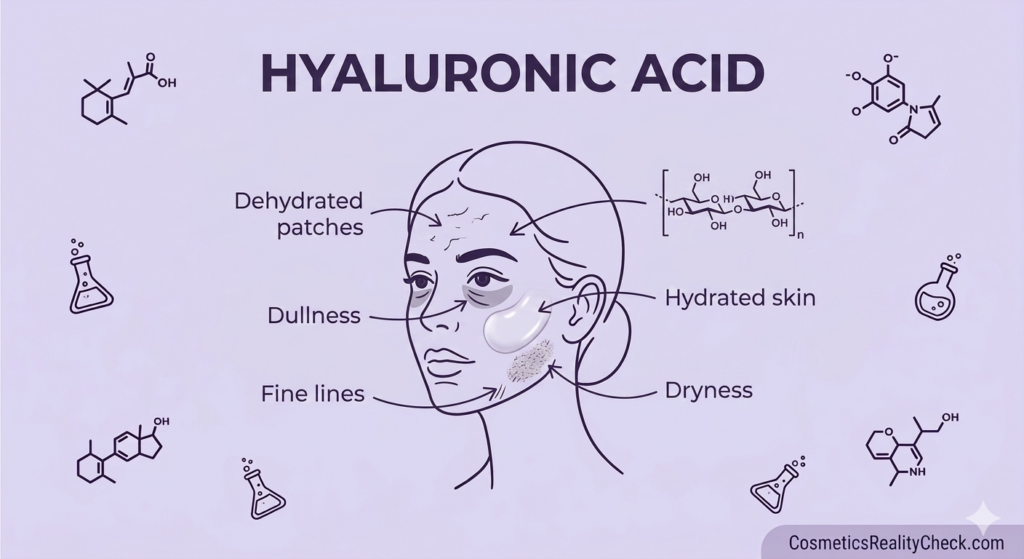
It’s suitable for all skin types, including the most sensitive and helps counteract dryness and tightness.
Apply to damp skin and layer a gentle moisturizer on top to lock in hydration.
2. Niacinamide (Vitamin B3): The barrier strengthener
Niacinamide at 2-5% strengthens the skin barrier by boosting ceramide production, reduces redness and inflammation, and calms sensitivity without irritation.
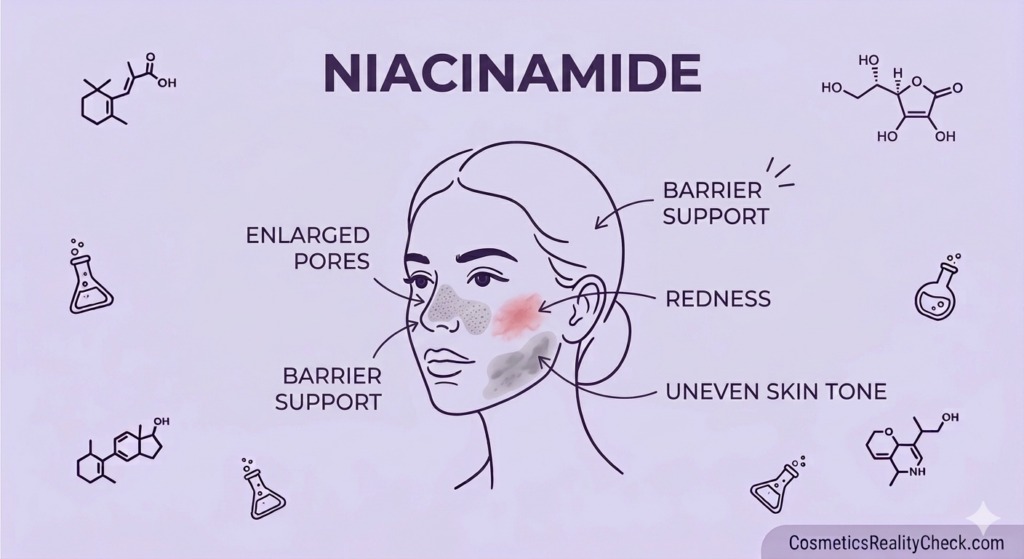
It’s one of the most versatile, well-tolerated actives for reactive skin.
Unlike retinoids or acids, niacinamide doesn’t increase sun sensitivity and can be used morning and night.
3. Ceramides: Barrier repair
Ceramides make up 50% of the skin’s protective barrier and sensitive skin often has depleted ceramide levels, leading to transepidermal water loss, dryness and increased reactivity.
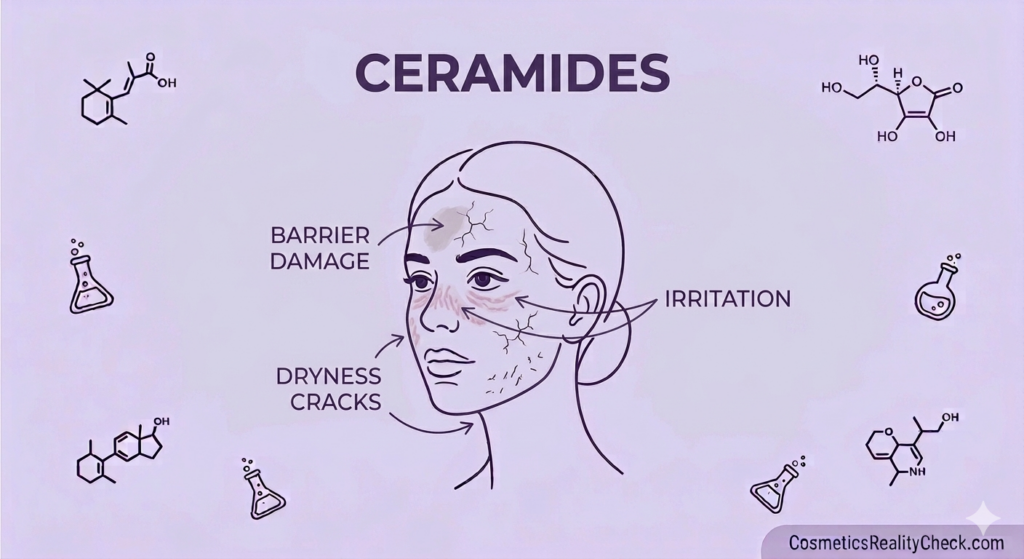
Topical ceramides (especially in a 3:1:1 ratio with cholesterol and fatty acids) restore barrier function, reduce sensitivity and improve resilience.
Look for products listing ceramide NP, AP or EOP near the top of the ingredient list.
4. Centella asiatica (Cica): Anti-inflammatory botanical
Centella asiatica (also called cica, tiger grass or gotu kola) is a soothing botanical with proven anti-inflammatory and wound-healing properties.
It calms redness, supports barrier repair and reduces irritation, making it a staple in Korean skincare for sensitive and compromised skin.
5. Panthenol (Provitamin B5): Hydration and healing
Panthenol is a humectant and emollient that hydrates, soothes irritation and supports skin barrier repair.
It’s extremely gentle and often used in products for eczema-prone and post-procedure skin.
6. Colloidal oatmeal: Itch and redness relief
Colloidal oatmeal has anti-inflammatory, antioxidant and moisturizing properties that relieve itching, redness and dryness.
It’s FDA-approved as a skin protectant and is especially helpful for eczema, rosacea and reactive skin.
7. Squalane: Lightweight moisture
Squalane is a lipid naturally found in skin sebum. It’s lightweight, non-comedogenic and mimics the skin’s own oils, making it ideal for sensitive skin that needs moisture without heaviness or breakouts.
It also has anti-inflammatory properties and helps lock in hydration.
8. Green tea extract: Antioxidant protection
Green tea (Camellia sinensis) is rich in polyphenols with anti-inflammatory and antioxidant benefits that protect sensitive skin from environmental stress and calm irritation.
What to avoid with sensitive skin
- Fragrance and essential oils (top allergens)
- Alcohol denat., SD alcohol (drying, irritating)
- Sulfates (harsh surfactants)
- Strong acids and high-percentage retinoids (until barrier is strengthened)
- Physical exfoliants (scrubs, brushes)
Building a sensitive skin routine
Morning:
- Gentle, sulfate-free cleanser or micellar water
- Hyaluronic acid or centella serum
- Niacinamide serum
- Ceramide-rich moisturizer
- Mineral sunscreen (zinc oxide)
Evening:
- Gentle cleanser
- Soothing serum (centella, panthenol)
- Ceramide + squalane moisturizer
- Occlusive (like Aquaphor) on extra-dry areas
Patch test everything
Even “gentle” products can trigger reactions in very sensitive skin. Apply new products to a small area (inside wrist or behind ear) for 24-48 hours before using on your face.
Bottom line
Sensitive skin thrives on simple, fragrance-free routines built around barrier-repairing lipids (ceramides, squalane), gentle hydrators (hyaluronic acid, panthenol) and anti-inflammatory botanicals (centella, oatmeal, green tea).
Avoid irritants, introduce products slowly and prioritize barrier health above all.